Are Contemporary Romance Novels Dead? Do People Still Read Later-in-Life Love Stories?

No. Contemporary romance novels are not dead. But the idea that every love story must begin at 22? That could use a rewrite.
Readers still want chemistry, emotional stakes, and the kind of ending that leaves you smiling at the last page. They also want characters who feel like people they might know, or like the people they are now. That means heroines with careers, histories, responsibilities, hard-won self-knowledge, and a life already in motion before love arrives.
In other words: love stories don’t have an age limit. And the heart doesn’t check your birth certificate before it gets involved.
Romance Is Still Very Much Alive
If you’ve wondered whether readers still reach for romance fiction books, recent sales offer a reassuring answer. Publishers Weekly, reporting Circana BookScan figures, says U.S. print romance sales rose 3.9% in 2025, to almost 44 million copies. That figure covers romance as a broad category, not just contemporary stories or books with older protagonists, but it’s hardly evidence of a genre fading away.
Romance also continues to welcome new readers. An NPR report on romance’s growing Gen Z readership described an audience that had widened beyond the once-dominant group of women aged 35 to 54. The takeaway isn’t that younger readers have replaced older ones. It’s that more generations are finding stories they love.
And readers don’t all want the same kind of love story. Some want a first spark. Others want a second chance, a late-blooming connection, or a heroine who knows what she will, and will not, settle for.

The Heroine Doesn’t Have to Be 22
A heroine in her 30s or 40s brings a different kind of momentum to a romance. She may have learned from a heartbreak, changed careers, raised a family, started over, or spent years building a life that belongs to her. She can still be surprised by love. She can still make a mess of a text message. (Some romantic skills never fully mature.)
But her story doesn’t have to be about becoming worthy of love. It can be about recognizing what she deserves, and deciding whether she’s willing to risk opening her heart again.
That’s part of the appeal of later-in-life love stories. They make room for attraction and uncertainty alongside experience and independence. The heroine is not waiting for her life to start. Love enters a life already underway.
This interest is visible in publishing, too. In a 2024 roundup, Publishers Weekly highlighted new romance novels with older protagonists, including characters in their 40s and 50s. The article described a wider wave of romance embracing life’s “second and third acts.” It doesn’t prove that every reader is seeking a midlife lead, or that this is already a dominant slice of the market. But it does show that these characters belong in romance, and that publishers and authors are telling their stories.
Grown-Up Love Still Has the Good Stuff
An older protagonist doesn’t make a romance less romantic. It gives the story different, often richer, questions to explore.
What happens when you recognize a red flag this time? Can you trust someone after disappointment? How do you make space for love without giving up the independence you worked hard to build? And what if the person who catches your attention is charming, funny, and, well, still a project?
These stories can be tender, funny, complicated, and full of hope. They can deliver the butterflies, the longing, the almost-kiss and the finally-kiss, while also honoring a heroine’s lived experience. Heartwarming romance novels don’t need to pretend that life has been simple. Sometimes the comfort comes from watching a character find connection after life has taken a few unexpected turns.
That’s not a smaller love story. It’s a different doorway into one.
What Makes Contemporary Romance Work?
The Romance Writers of America defines contemporary romance as romance set from 1950 to the present. The setting is broad enough to hold all kinds of characters and emotional journeys. What matters to the genre is the central love story and an emotionally satisfying, optimistic ending.
That leaves plenty of room for fresh perspectives. One book might focus on a first great love. Another might explore second chances, starting over, or learning to choose yourself. A contemporary romance can be light and playful, deeply emotional, or both before lunch.
And readers have plenty of ways to find their next story. If you’re browsing clean romance books, for example, check the book description and content details to see whether a particular title fits your preferences. “Contemporary” tells you about the setting; it doesn’t automatically tell you the tone or level of sensuality.
Mia Scott’s Grown-Up Love Stories
Mia Scott writes romance for readers who enjoy emotional honesty, humor, and heroines figuring out what they truly deserve.
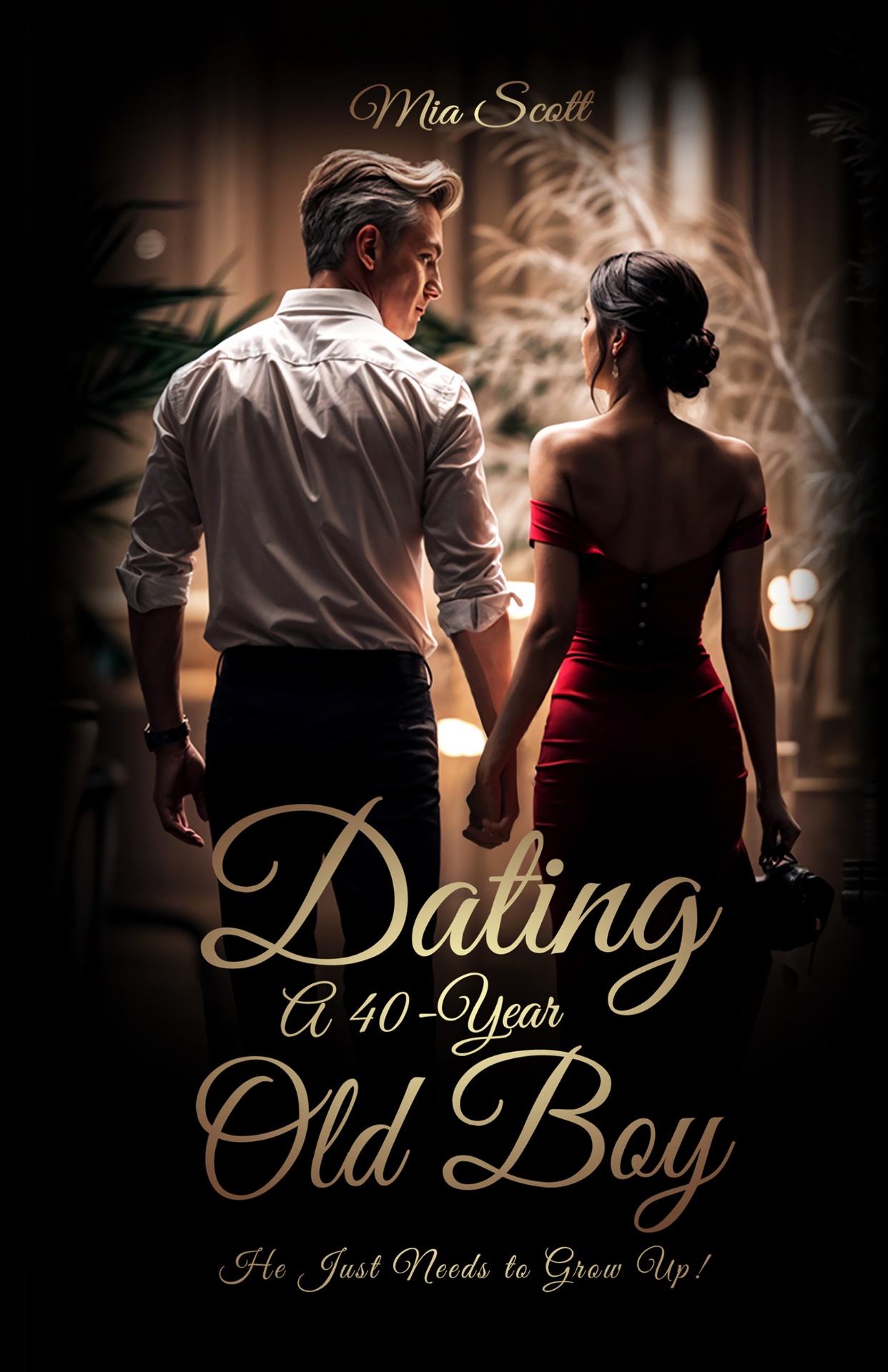
In Dating a 40-Year-Old Boy, charm meets questionable emotional maturity, and one woman has to decide whether she’s ready to stop explaining away the red flags. It’s a warm, witty story about learning what you want, what you deserve, and what it costs to settle for less. The paperback is available on Amazon.
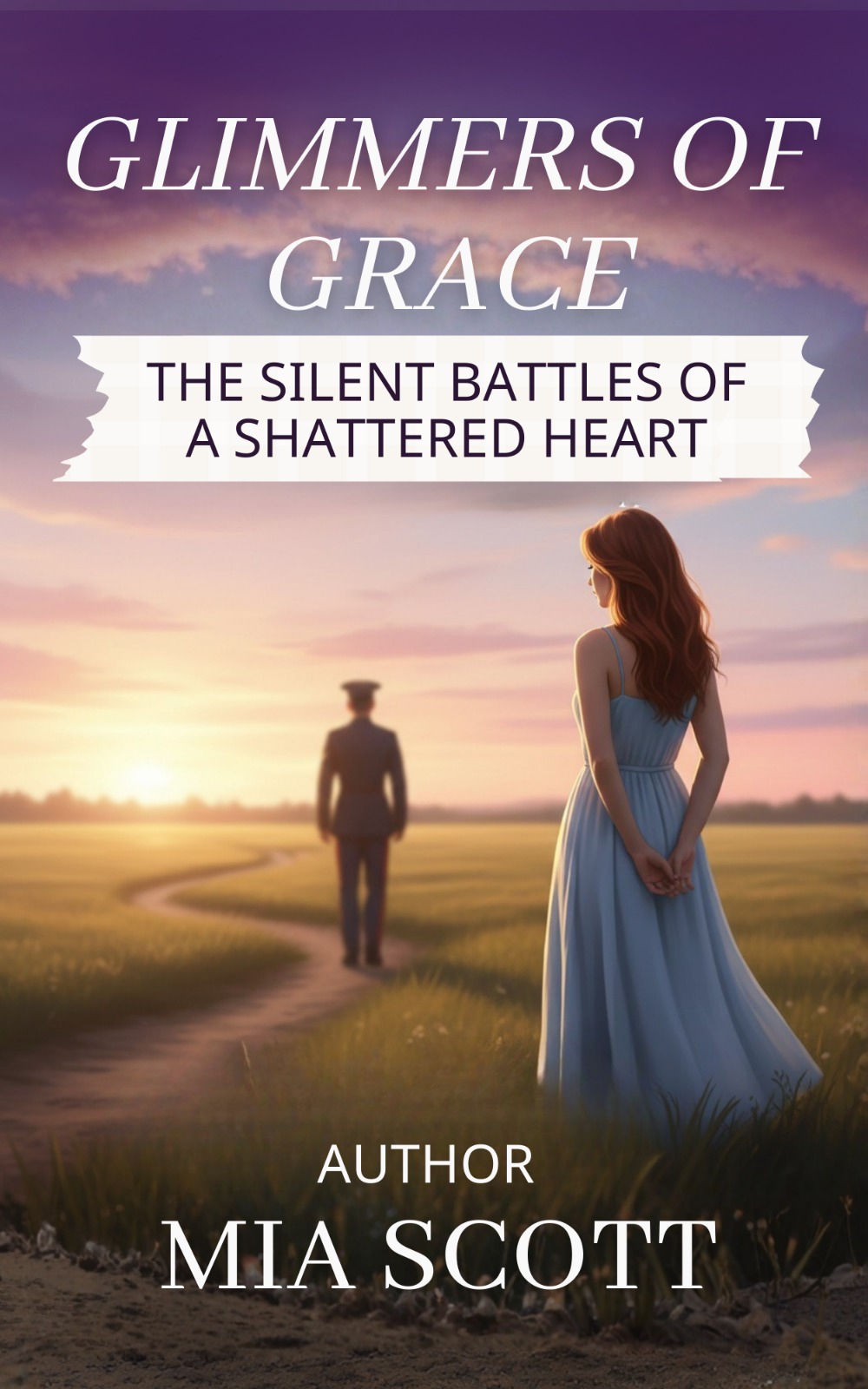
Mia’s upcoming novel, Glimmers of Hope, follows a woman who has been rebuilding her life on her own terms. She isn’t looking for someone to rescue her. Then love arrives anyway. Quietly, unexpectedly, and with the possibility of connection when she thought she had made peace with being on her own.
These stories are part of a bigger conversation about who gets to be the heroine. Not just the woman at the beginning of adulthood, but the woman who has lived, learned, changed direction, and still has room to hope.
So, Are Contemporary Romance Novels Dead?
No. Romance readers are here. The category is selling. And love stories featuring protagonists in their 30s and 40s are finding their place among the books being published today.
The better question is: Which love stories are readers still waiting to see? For many, the answer includes heroines who feel like full people, not a countdown to adulthood. Women who can be hopeful without being naïve, independent without being closed off, and open to love without needing to be saved.
If that sounds like your kind of romance, there’s a place for you here. Find a heroine with a little history, a little humor, and a heart still willing to take a chance. Love is not late when it arrives in its own time.