How to Choose the Best Inspirational Christian Books (Compared)

Choosing an inspirational Christian book is about more than finding a promising title. You’re choosing what to give your attention to, and what kind of encouragement, challenge, or insight you hope to carry into everyday life.
The right book might help you build a steady devotional habit, understand Scripture more deeply, find comfort in someone else’s testimony, or apply your faith to a difficult season. This guide compares popular styles of Christian nonfiction books and offers a practical way to decide which one belongs on your reading list.
Start With What You Need
Before you browse reviews or bestseller lists, ask yourself: What am I hoping this book will help me do?
Perhaps you want a few quiet minutes with God each morning. Maybe you’re wrestling with a question about Scripture, or looking for grounded encouragement through change or uncertainty. You may simply want to grow in your faith without taking on a dense theological study.
A book can inform you with ideas and explanations. A book that helps form you also invites reflection, points you back to Scripture, and gives you something meaningful to practice. The distinction isn’t about whether a book is simple or scholarly. It’s about whether what you read helps shape how you understand, live, and respond.

Compare the Styles
There’s no single best format for every reader. Consider what each style offers, and the kind of reading experience you’re likely to return to.
Devotional: For a Daily Rhythm
Devotionals are designed for regular, often short, moments of reflection. They can be a welcoming choice if you want a simple way to pause, consider a passage, and pray.
Before buying, preview a few entries. Does each one engage with Scripture, or does the verse feel added on to support the author’s idea? Check the length and structure, too. A format that fits your real schedule is more helpful than an ambitious plan you feel pressured to keep up with.
A devotional can support your time in the Bible; it shouldn’t become a substitute for reading Scripture itself.
Bible Study: For Context and Understanding
A Bible study is a stronger fit when you want to explore a particular passage, book, or theme more carefully. Look for clear explanations, questions that help you examine the text, and applications that follow from what the passage says.
Ask whether the study gives context and distinguishes what the text says from what the author believes it means. If you plan to use it with a church group, check that its theological approach suits the group, or be ready to discuss where perspectives differ.
Memoir or Testimony: For Perspective and Connection
Memoirs and testimonies bring faith into the texture of a particular life. They can offer companionship, perspective, and hope when you recognize something of your own experience in another person’s story.
The most useful accounts don’t need to make hardship look neat. Look for honest reflection rather than a promise that faith guarantees easy answers. Remember that a testimony is one person’s experience, not a formula every reader should expect to follow.
Practical Christian Living: For Faith in Everyday Life
Practical Christian living books explore how faith connects with real questions, habits, and challenges. They may help you reflect on purpose, prayer, relationships, resilience, or the way you understand your own life.
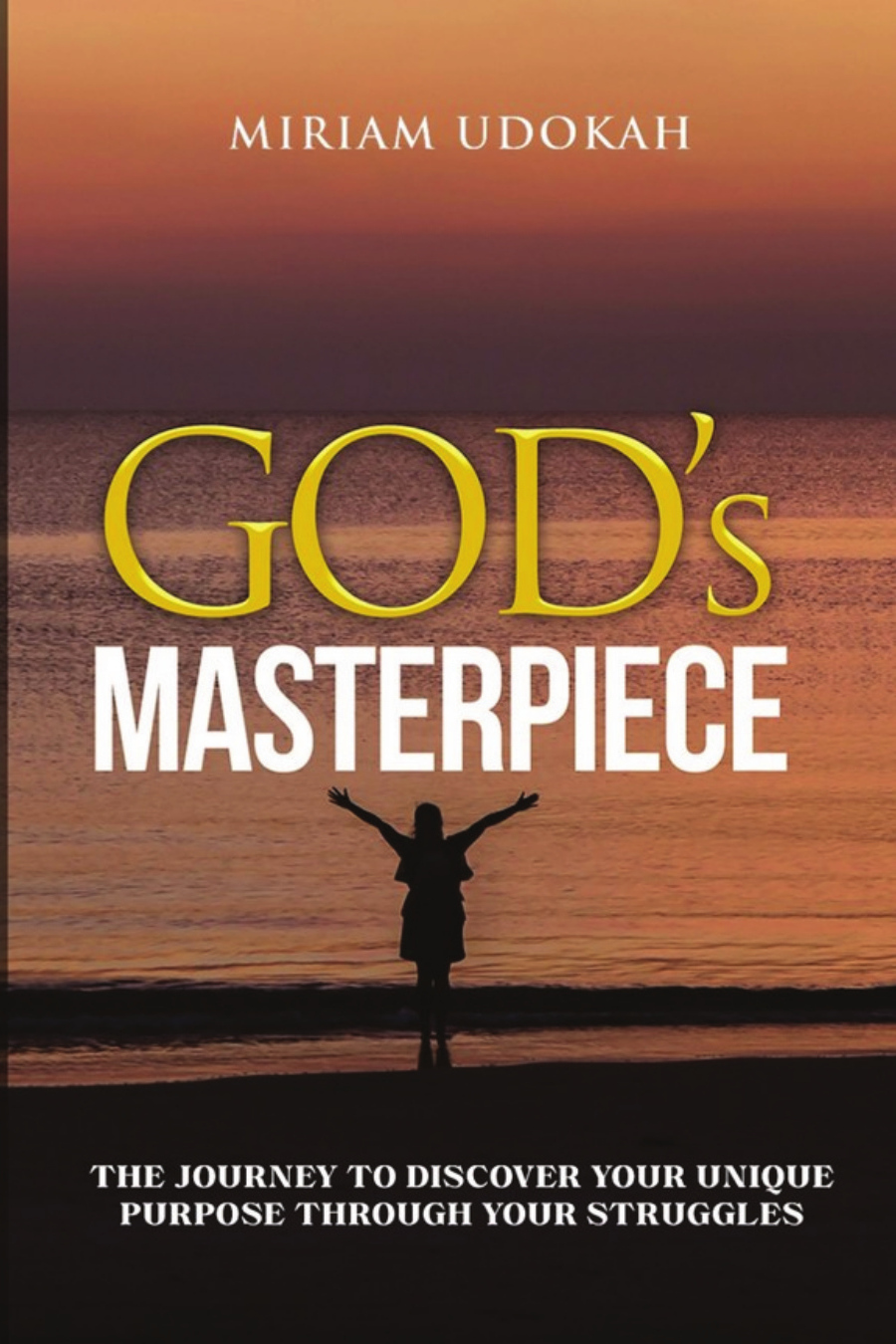
Miriam Udokah’s God’s Masterpiece is one example. It brings together Scripture, testimony, and encouragement around the belief that hardship does not make your life accidental or forgotten. If you’re looking for faith-based books that speak to purpose and perseverance, its central message may resonate.
Scripture-Focused Teaching: For a Deeper Look at a Theme
Some Christian nonfiction books focus closely on a theological or biblical subject. These can be a good choice when you want to spend time with one question rather than move through short daily readings.
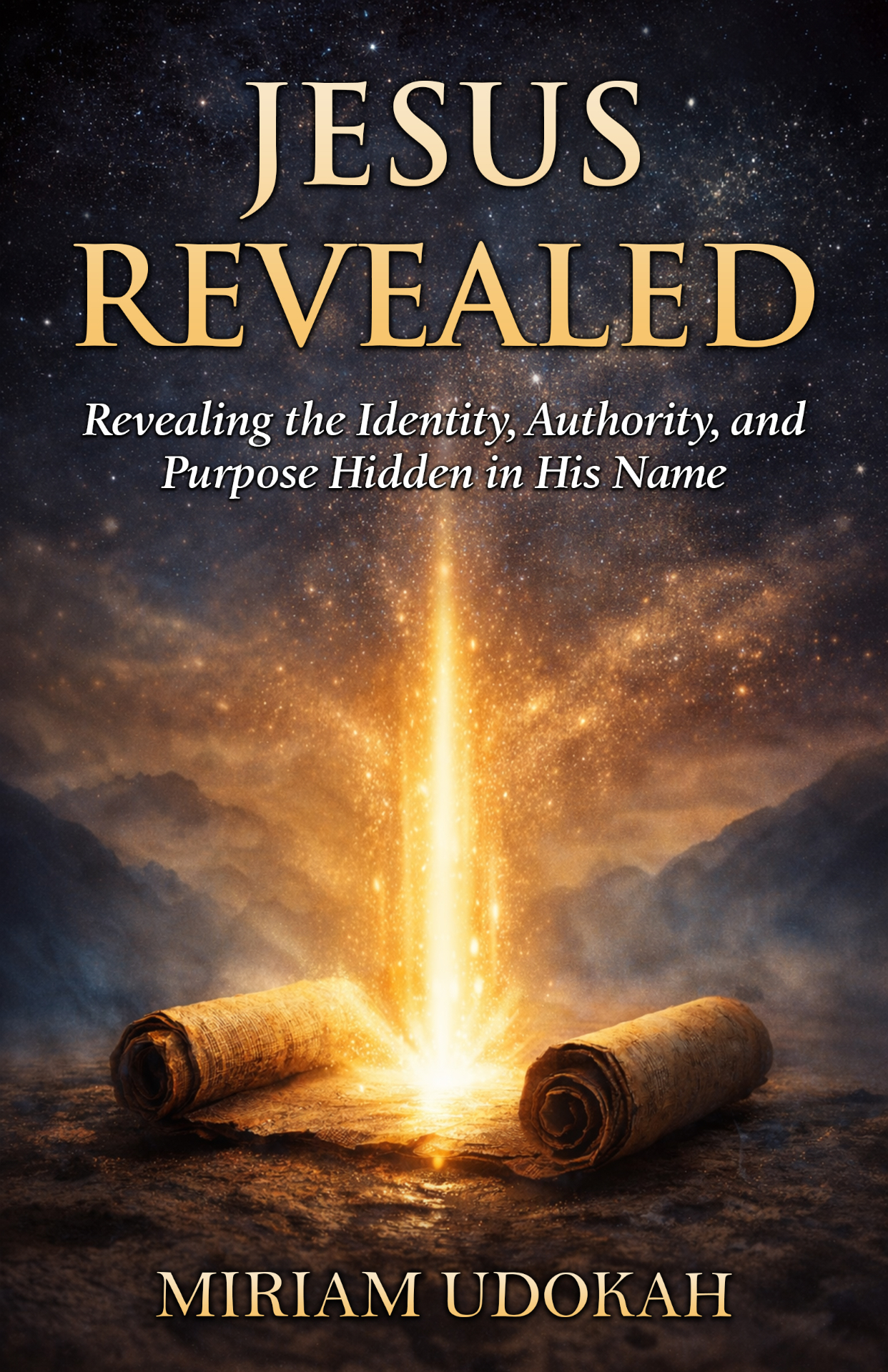
In Jesus Revealed, Miriam Udokah explores the meaning, identity, and authority associated with the name of Jesus through Scripture and the original languages behind it. It may suit readers seeking a focused exploration of a central Christian theme, rather than a daily devotional or life-story format.
What to Check Before You Buy
Once you’ve found a promising style, use these questions to look beyond the cover and description.
Does it match your purpose?
A book can be well written and still not be the right book for you today. Check the table of contents and introduction. Do the themes match what you’re hoping to explore?
How does it handle Scripture?
Look for a clear relationship between the passage and the point being made. Does the author offer context and encourage you to examine the Bible for yourself? A Christian living book should support your engagement with Scripture, not ask you to accept every conclusion without thought.
Do you trust the author’s approach?
Read the author bio and, when available, learn about their background and faith community. You don’t have to agree with every Christian writer on every subject, but it’s helpful to know where they’re coming from, especially on issues that matter to you.
Does the tone suit the season you’re in?
Some books are gentle and meditative. Others are direct, challenging, or more detailed. If you’re dealing with grief or uncertainty, look for writing that makes room for honest emotion rather than brushing past it with easy answers.
Can you see yourself finishing it?
Consider length, reading level, format, price, and available editions. A book you can read steadily may serve you better than one that looks impressive but doesn’t fit your time or attention.
A Simple Way to Compare Your Options
When you’ve narrowed your choices to two or three titles, rate each one from 1 to 5 on these points:
- Purpose: Does it address what I’m looking for?
- Scripture: Does it encourage careful, meaningful engagement with the Bible?
- Trust: Am I comfortable with the author’s approach and perspective?
- Usefulness: Does it offer reflection, insight, or practices I can carry into daily life?
- Fit: Do the tone, length, and format work for me right now?
Your scores aren’t a verdict on a book’s worth. They’re a way to make a personal choice with more clarity. If one title raises a serious concern, such as careless treatment of Scripture or a promise of guaranteed outcomes, take that concern seriously, even if the book is popular.
Choose the Book You’ll Read With Intention
The best inspirational Christian books aren’t necessarily the longest, most famous, or most talked about. They’re the ones that meet your real need, invite you to think honestly, and help you return to Scripture with fresh attention.
Pick a style that fits the season you’re in. Read a sample before you buy. Give yourself room to pause, question, and reflect as you go. Your next book doesn’t have to answer everything. It can simply help you take one faithful step forward.